
One of the more consistent findings in exogenous ketone research is a small drop in blood sugar. When people ask me about exogenous ketones and blood sugar, they usually expect a vague answer. There’s actually a fair amount of data, including a 2022 meta-analysis that pooled 43 trials, and the pattern is pretty clear even if the long-term picture isn’t.
I want to walk through what those studies measured, how big the effect really is, how BHB salts like goBHB® compare with ketone esters, and where the evidence stops. Most of this research is short-term, and some of it was paid for by companies like ours.
What the 43-Trial Meta-Analysis Found on Exogenous Ketones and Blood Sugar
The best single source here is Falkenhain, Daraei, Forbes and Little, published in Advances in Nutrition in 2022. They searched six databases in December 2021 and pooled 43 trials with 586 participants, looking at what happens to blood BHB and blood glucose after someone takes a dose of exogenous ketones.
Two comparisons came out of it. Compared with their own starting values, people’s blood glucose dropped by an average of 0.54 mmol/L after a ketone dose (roughly 10 mg/dL). Compared with a placebo, the drop was 0.47 mmol/L (about 8.5 mg/dL). In both comparisons the confidence intervals were well clear of zero, and blood BHB rose by about 1.7 to 2.0 mmol/L, so the supplements were getting into circulation.
The authors were careful about one thing, and I will be too. These were mostly acute studies, meaning a single dose measured over a few hours. Their own conclusion was that evidence on prolonged supplementation is limited. So the honest summary is that a dose of exogenous ketones reliably lowers glucose for a while afterward, and we know much less about what daily use does over months.
Salts vs. esters: which moved glucose more?
The meta-analysis split results by supplement type, and ketone monoesters produced a significantly bigger glucose drop than ketone salts. The paper reports the difference; it doesn’t settle why. If you’re using a salt product like goBHB, expect a smaller glucose effect than the ester studies show.
Two Studies That Show the Effect in Real People
The Aarhus trial in women with PCOS
Rittig and colleagues at Aarhus University ran a randomized, placebo-controlled crossover trial in 20 women with polycystic ovary syndrome, published in the European Journal of Endocrinology in 2025. Each woman got a ketone supplement or a taste-matched placebo over about 10 hours, with one dose the evening before and one 2 hours before blood was drawn. Fasting glucose was 4.6 mmol/L after the ketone supplement vs. 5.1 mmol/L after placebo, a 10% difference (p < 0.001). The study investigated androgens too, and 11-ketotestosterone was 21% lower (p = 0.020).
What I like about this one is the funding. It was paid for by the Aase and Ejnar Danielsen Foundation and the Novo Nordisk Foundation, with no industry money from ketone companies. It’s also one day of dosing in 20 people, so it shows a short-term effect, not a long-term one. I covered the hormone side in more detail in our post on PCOS and metabolic health research.
A soccer simulation with a ketone ester
Quinones and colleagues tested a 25 g ketone monoester drink in nine recreationally active men who did a 40-minute mentally fatiguing task and then a 45-minute simulated soccer match (Nutrients, 2022). During the second and third blocks of running, blood glucose was lower with the ketone drink: 4.6 vs. 5.2 mmol/L and 4.7 vs. 5.3 mmol/L. The authors suggested a carbohydrate-sparing effect. That’s an ester and nine people, but the direction matches. The study had no external funding, and the ketone monoester was supplied by TdeltaS.
Blood glucose: placebo vs. ketones
Blood glucose in mmol/L, ketone vs. placebo, in two published trials.
Data: Rittig et al., Eur J Endocrinol 2025; Quinones et al., Nutrients 2022. Bar width = value / 5.3.
What 8 Weeks of BHB Salts Did (and Didn’t) Do
If acute studies show a dip, the obvious next question is what happens with daily use. The closest thing we have for BHB salts is the KETAD trial (Roeth et al., Nutrients, 2025). Adults took 5 g of racemic BHB mineral salts twice a day, 10 g total, or a maltodextrin placebo for 8 weeks while following a diet about 500 calories below their needs. The paper reports 24 people on BHB and 27 on placebo.
The BHB group lost about 3.1 kg vs. 1.5 kg on placebo, though that between-group difference was only a trend (p = 0.09). On blood sugar, nothing meaningful happened in either group. Fasting glucose was essentially flat (87.5 to 89.0 mg/dL in the BHB group, 90.2 to 89.0 mg/dL on placebo), and insulin and HOMA-IR didn’t change significantly. Ketone Labs, now goBHB Labs, funded the study, and I’d rather tell you that it showed no glucose effect than pretend it did.
That doesn’t contradict the meta-analysis. A dose of BHB lowers glucose for a few hours; eight weeks of salts didn’t shift fasting glucose. Those are different questions, and I’d be skeptical of anyone who blurs them. You can read more about the body composition side in our breakdown of BHB and visceral fat trials.
Where goBHB Products Fit
None of the trials above tested these specific products, so here is what the two salt products I get asked about most contain.
CleanForm Nutrition goBHB
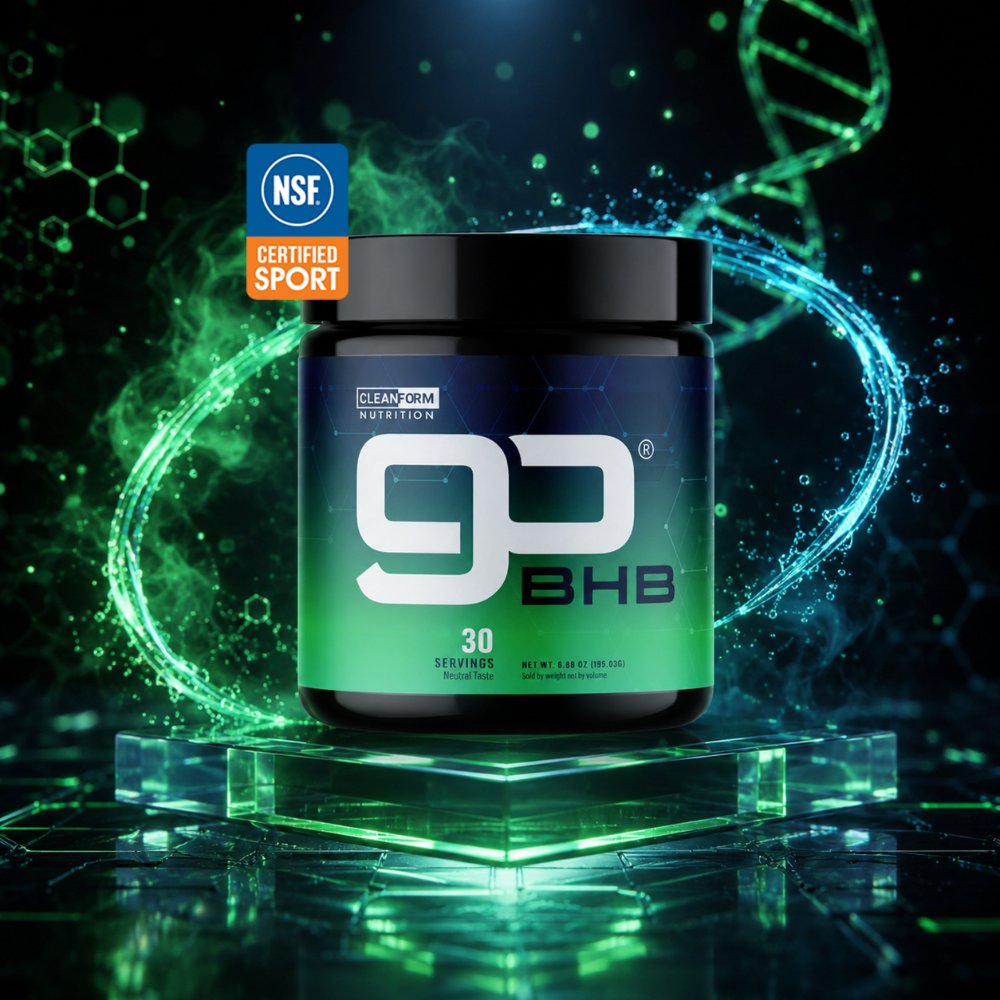
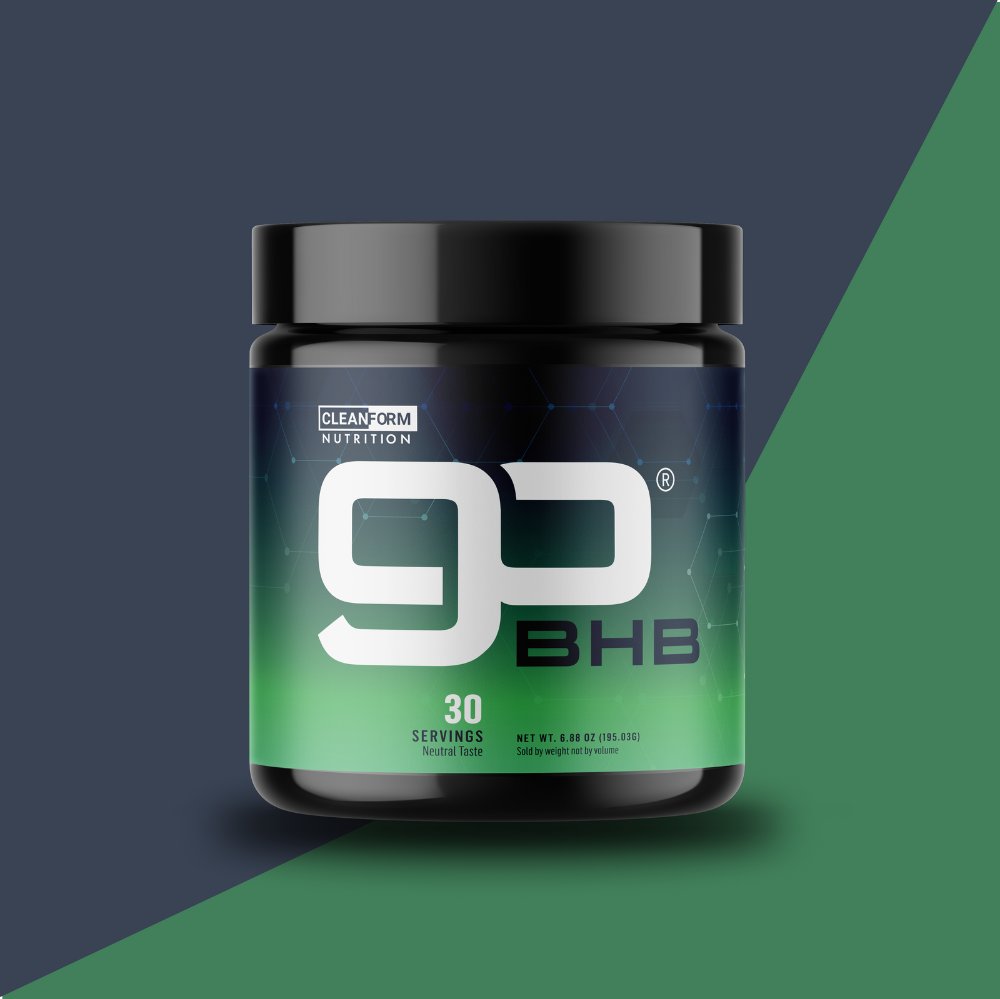
CleanForm’s goBHB powder uses a 50/50 D/L blend of calcium, magnesium, sodium and potassium BHB, with 30 servings per tub in Unflavored, Tangy Apple and Strawberry Kiwi. It earned NSF Certified for Sport status in January 2026, which matters if you’re a tested athlete. You can find it at cleanformnutrition.com.
Beyond Raw Chemistry Labs BHB Salts
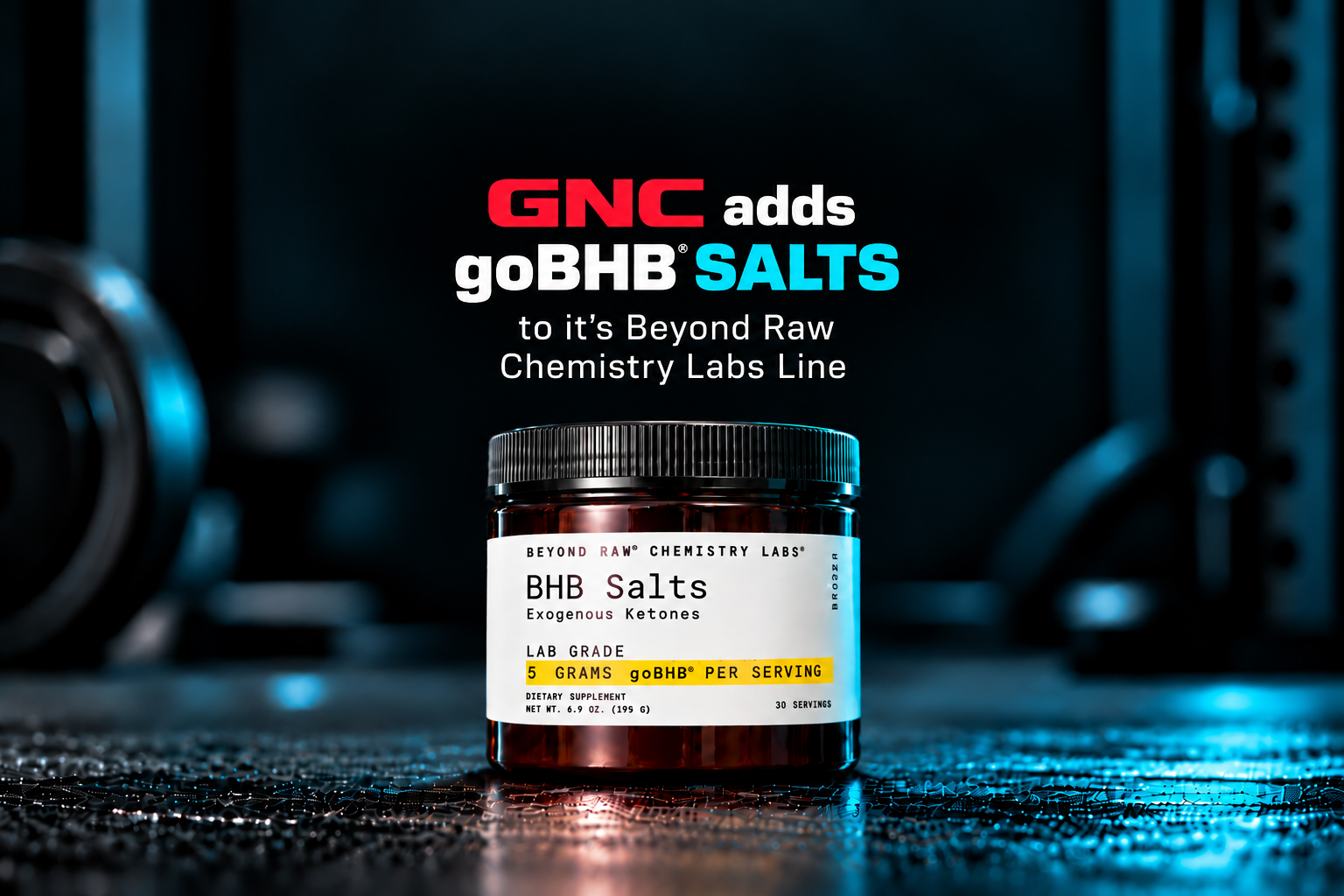
GNC’s Beyond Raw BHB Salts deliver 5 g of goBHB D-BHB per serving, with 115 mg calcium, 135 mg magnesium, 210 mg sodium and 127 mg potassium. The KETAD trial used a racemic blend, so its results don’t transfer directly to a D-BHB product. I wrote about the launch in GNC Adds goBHB to the Beyond Raw Lineup.
A safety note that applies to both: BHB salts carry minerals, so count the sodium if you watch your blood pressure, and talk to your doctor first if you have kidney issues, are pregnant, or take any medication that lowers blood sugar. Stacking a glucose-lowering supplement on top of a glucose-lowering drug is something your doctor should know about.
Where the Evidence Stands
Here’s how I’d grade it. Strong: a single dose of exogenous ketones lowers blood glucose for a few hours, across 43 trials and 586 people, with esters producing a bigger drop than salts. Moderate: the effect shows up during exercise and in an independent, non-industry trial. Weak: whether daily BHB salt use changes fasting glucose or insulin over weeks. The one 8-week salt trial we have found no change, and it was industry-funded.
What I’d like to see next is a longer trial using continuous glucose monitors in people taking salts daily. None of these products are meant to treat or prevent any disease, and nothing here replaces medical care.
FAQ
Do exogenous ketones lower blood sugar?
In short-term studies, yes. A 2022 meta-analysis of 43 trials found blood glucose fell by about 0.47 mmol/L compared with placebo after a dose. The effect was bigger with ketone esters than with salts, and long-term data is limited.
Does BHB raise blood sugar?
The published data points the other way. Acute studies show glucose dropping slightly after BHB, and the 8-week KETAD trial saw no meaningful change in fasting glucose. If a flavored product contains sugar, read the label.
Can I take BHB with blood sugar medication?
Ask your doctor first. Because ketones can lower glucose on their own, combining them with a glucose-lowering medication could add to its effect.
When should I take BHB?
Most people take it between meals or before training. The acute studies measured effects over a few hours after a dose, so follow the label directions and note how you feel.
The Bottom Line
The research on exogenous ketones and blood sugar is more consistent than most supplement research. A dose of BHB lowers glucose modestly for a few hours, esters more than salts, and we don’t yet have good evidence that daily salts change fasting numbers over time. I’d use goBHB as a way to raise blood BHB, keep an eye on the minerals, and not buy it expecting a blood sugar change, since the one 8-week salt trial didn’t show one. If you want to check what a dose does for you, our guide on how to test your BHB ketone levels is a good place to start.
Sources: Falkenhain K, Daraei A, Forbes SC, Little JP. Effects of Exogenous Ketone Supplementation on Blood Glucose: A Systematic Review and Meta-analysis. Adv Nutr. 2022;13(5):1697-1714. Rittig N, et al. Ketone supplementation acutely lowers androgen and glucose levels in women with polycystic ovary syndrome: a randomized clinical trial. Eur J Endocrinol. 2025;192(6):717-727. Quinones MD, et al. Ketone Ester Supplementation Improves Some Aspects of Cognitive Function during a Simulated Soccer Match after Induced Mental Fatigue. Nutrients. 2022;14(20):4376. Roeth EJ, et al. Effect of Exogenous Ketones as an Adjunct to Low-Calorie Diet on Metabolic Markers. Nutrients. 2025;17(22):3582 (funded by Ketone Labs). Product details from cleanformnutrition.com and GNC.